A gym cardio day might sound straightforward until you step onto the gym floor and find yourself surrounded by treadmills, bikes, ellipticals, rowers, and stair climbers. With so many options, it's easy to stick with whatever machine looks most familiar.
The problem? Not every cardio machine delivers the same results. Choosing the right machine can mean the difference between a workout that leaves you energized and one that feels like a struggle.
Why Most People Struggle With Cardio Machines
Too often, people approach workout cardio equipment wanting to chase calories burned instead of mastering movement. They push intensity before building control. And when it comes to working out with machines, that disconnect becomes even more obvious.
At YouFit Gyms, we take a different approach. We don't just throw you onto a machine cardio routine and hope for results. We teach you how to use top-rated cardio machines with intention. We leverage biomechanics, neuromuscular coordination, and progressive intensity to turn every session into a results-driven workout.
A Smarter Way to Use Cardio Fitness Machines
In this guide, we're breaking down the top-rated cardio machines for beginners and showing you how to use each one as a high intensity workout machine.
You'll learn:
- How to choose the right indoor cardio machine for your goals
- When to use low vs. high intensity exercise machines
- How to build efficient, sustainable workouts using cardio fitness machines
- Why mastering form unlocks better fat loss, endurance, and performance
Before you step onto any cardio fitness equipment, it's crucial to understand that cardiovascular exercise machines train more than your heart; they train your brain and body to work together.
A Beginner's Guide to the Top 5 Cardio Machines
1. The Treadmill | Your Foundation for Functional Fitness
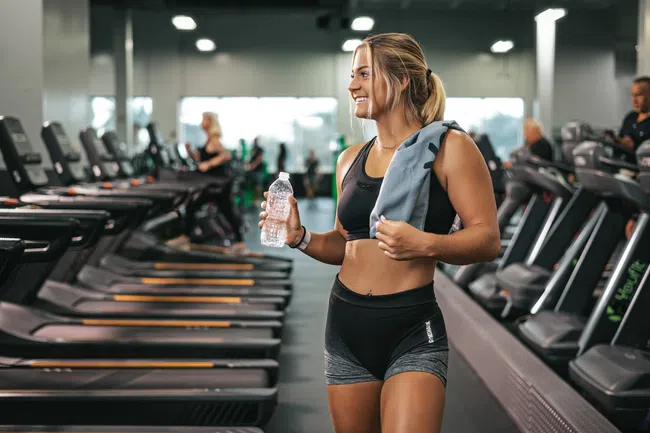
Treadmills remain one of the most top-rated cardio machines for a reason. They're versatile, familiar, and effective for nearly every fitness level.
The Biology of the Burn: Walking and running are full-body movements. Your primary drivers are your glutes, hamstrings, quadriceps, and calves. However, to maintain an upright posture and a stable core, you're also engaging your abdominal and lower back muscles. As you increase your speed or incline, you're challenging your cardiovascular system to deliver more oxygen-rich blood to these working muscles, strengthening your heart and lungs with every step.
Mastering the Machine: Your Step-by-Step Treadmill Guide
- Safety First: Before you begin, stand on the side rails. Attach the safety clip to your clothing. If you stumble, the clip will detach, and the machine will stop.
- The "Quick Start" Friend: For your first few sessions, the "Quick Start" button is your best friend. It will begin the belt at a very slow, manageable speed.
- Finding Your Pace: Start by walking at a comfortable pace. Your arms should swing naturally.
- Posture is Key: Keep your shoulders back and down, your chest open, and your core engaged.
Your First Official Workout: The 20-Minute Treadmill Workout
- Minutes 0-5 (Warm-up): Set the speed to a gentle 2.5-3.0 mph.
- Minutes 5-10 (Steady Pace): Increase the speed slightly to 3.5-4.0 mph.
- Minutes 10-15 (Incline Challenge): Keep the speed the same, but increase the incline to 2-3%. You'll feel your glutes and calves working more.
- Minutes 15-20 (Cool-down): Reduce the incline back to 0% and lower the speed to 2.5-3.0 mph. Allow your heart rate to calm.
Common Beginner Treadmill Blunders & How to Fix Them
- The Handrail Hunch: Leaning on the handrails. The Fix: Lightly touch the handrails for balance if needed, but focus on maintaining an upright posture without their support.
- The Stomp: Landing heavily on your heels. The Fix: Aim for a mid-foot strike, rolling through your foot from heel to toe. This will reduce the impact on your joints.
2. The Elliptical Trainer | The Low-Impact Glider
Ellipticals are a helpful cardio machine because they offer a smooth, joint-friendly workout.
The Biology of the Burn: The elliptical engages your quadriceps, hamstrings, glutes, and calves. The moving handlebars also exercise your upper body, working your chest, back, biceps, and triceps.
Mastering the Machine: Your Step-by-Step Elliptical Guide
- Get Centered: Step onto the pedals and find your balance.
- Start Moving: Begin moving your feet in a smooth, gliding motion. (Most ellipticals will power on as soon as you start moving.)
- Engage Your Whole Body: Grasp the moving handlebars. Push and pull with your arms in coordination with your legs.
- Set Your Resistance: Start with a low resistance level.
Your First Official Workout: The 20-Minute Total Body Elliptical Workout
- Minutes 0-5 (Warm-up): Pedal at a comfortable pace with low resistance (level 1-3).
- Minutes 5-15 (Steady State with Arm Focus): Increase the resistance slightly (level 4-6). For two minutes, focus on pushing with your arms. For the next two minutes, focus on pulling. Alternate for the full 10 minutes.
- Minutes 15-20 (Cool-down): Lower the resistance back to level 1-3 and gradually slow your pace.
Common Beginner Elliptical Blunders & How to Fix Them
- The Slouch: Rounding your back and shoulders. The Fix: Keep your chest up and your shoulders back. Imagine you're trying to hold a pencil between your shoulder blades.
- Toe-Dominant Pedaling: Putting all your weight on your toes. The Fix: Press through your entire foot, from heel to toe. This will engage your glutes more effectively.
3. The Stationary Bike | Seated Powerhouse
Stationary bikes are a classic piece of cardio fitness equipment that works for all fitness levels.
The Biology of the Burn: Cycling primarily targets the muscles in your lower body: your quadriceps, hamstrings, glutes, and calves.
Mastering the Machine: Your Step-by-Step Stationary Bike Guide
- The Perfect Fit: Adjust the seat height so that when your foot is at the bottom of the pedal stroke, your knee is slightly bent (about 25-30 degrees).
- Get Pedaling: Start pedaling at a comfortable pace with low resistance.
- Upright vs. Recumbent Posture: On an upright bike, maintain a slight forward lean with a flat back. On a recumbent bike, sit back fully against the backrest.
Your First Official Workout: The 20-Minute Stationary Bike Ride
- Minutes 0-5 (Warm-up): Pedal at a light pace (around 80-90 RPM) with low resistance.
- Minutes 5-15 ("Rolling Hills"): Keep your RPMs steady. Every two minutes, increase the resistance by one level for one minute, then bring it back down for one minute.
- Minutes 15-20 (Cool-down): Lower the resistance to the minimum and slow your pedaling to bring your heart rate down.
Common Beginner Stationary Bike Blunders & How to Fix Them
- The Bouncing Rider: Bouncing in the seat. The Fix: If you're bouncing, the resistance is too low for your pedal speed. Increase the resistance until your pedal stroke is smooth and controlled.
- Knees Flaring Out: Your knees are pointing outwards as you pedal. The Fix: Keep your knees aligned with your hips and ankles throughout the pedal stroke.
4. The Rowing Machine | The Ultimate Full-Body Challenge
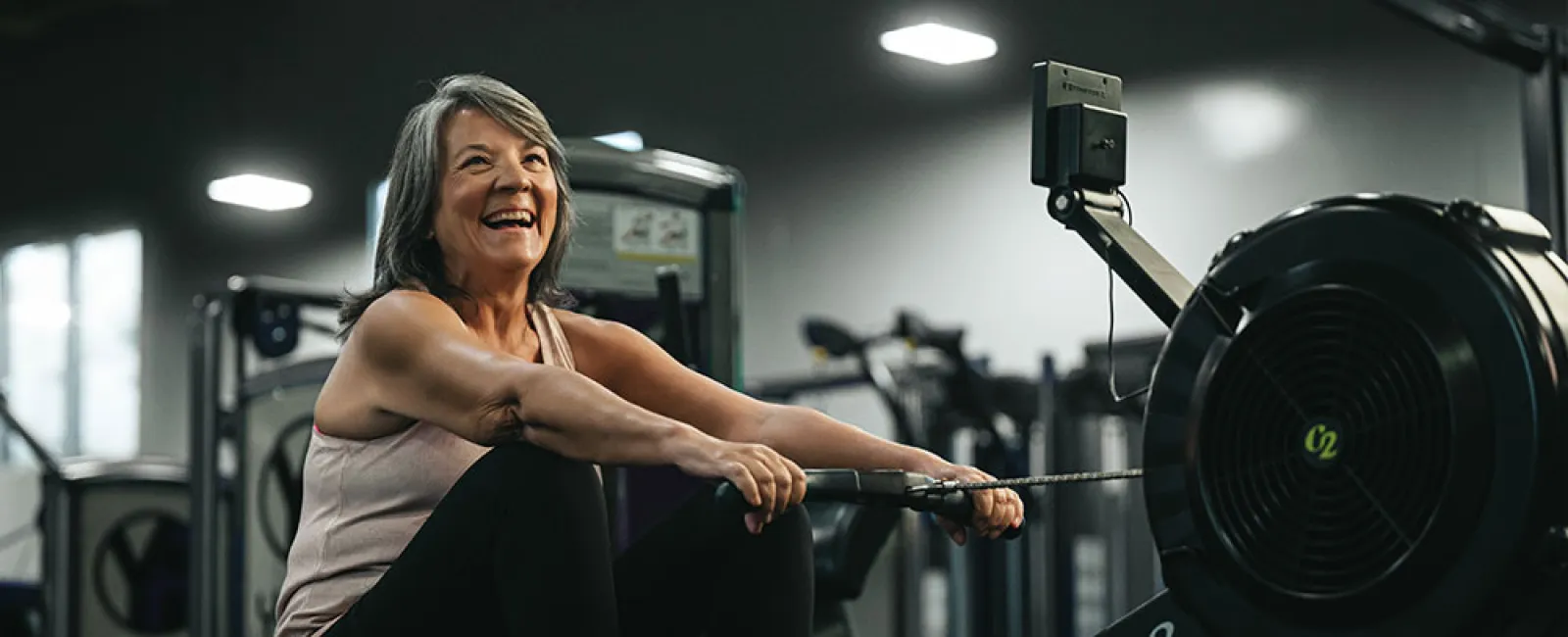
Rowing machines are often underrated but are among the most complete cardiovascular exercise machines.
The Biology of the Burn: The rowing stroke is a symphony of muscular engagement. The "drive" phase (when you push with your legs) works your quadriceps, glutes, and calves. The "pull" phase engages your back, shoulders, and arms.
Mastering the Machine: Your Step-by-Step Rowing Machine Guide
- The Catch: Sit with your knees bent, your back straight, and your arms extended, gripping the handle.
- The Drive: This is the power phase. Push with your legs first. It's a leg exercise, not an arm exercise!
- The Finish: Once your legs are nearly straight, lean back slightly from your hips and pull the handle to your lower chest.
- The Recovery: Extend your arms first, then bend your knees and slide forward to the starting position.
Your First Official Workout: The 15-Minute Rowing Machine Exercise
- Minutes 0-3 (Warm-up): Start with just your arms, then add your back, and finally incorporate your legs.
- Minutes 3-12 (Steady Rowing): Row at a steady, controlled pace. Focus on the sequence: legs, back, arms on the way back; arms, back, legs on the way forward.
- Minutes 12-15 (Cool-down): Gradually reduce your intensity and stroke rate.
Common Beginner Rowing Machine Blunders & How to Fix Them
- The Arm Pull: Using your arms to initiate the movement. The Fix: Remember the mantra: Legs, back, arms. The power comes from your legs.
- The Hunched Back: Rounding your back during the stroke. The Fix: Keep your core engaged and your back straight throughout the movement.
5. The Stair Climber | Your Vertical Ascent to Fitness
If you're ready to challenge yourself, stair climbers are one of the most effective high intensity cardio machines.
The Biology of the Burn: The stair climber is a powerhouse for your lower body, targeting your glutes, quadriceps, hamstrings, and calves. It's a high-intensity, weight-bearing exercise that is fantastic for toning your legs and glutes.
Mastering the Machine: Your Step-by-Step Guide
- Step Aboard: Carefully step onto the machine and select your desired program or use the "Quick Start" option.
- Stand Tall: Maintain an upright posture. Lightly hold the handrails for balance.
- Find Your Rhythm: Start at a slow pace to get used to the movement. Focus on taking full, deliberate steps.
- Control the Intensity: You can increase the intensity by increasing the machine's speed (steps per minute).
Your First Official Workout: The 10-Minute Stair Climber Ascent
- Minutes 0-2 (Warm-up): Start at a slow, comfortable pace (level 1-3).
- Minutes 2-8 (Steady Climb): Increase the level to a challenging but sustainable pace (level 4-6).
- Minutes 8-10 (Cool-down): Reduce the level back to a slow pace to allow your heart rate to recover.
Common Beginner Stair Climber Blunders & How to Fix Them
- The Death Grip: Leaning all your weight on the handrails. The Fix: Keep a light grip for balance only. This will ensure your lower body is doing the work.
- Partial Steps: Taking small, shallow steps. The Fix: Take full steps to get the most out of the machine and fully engage your muscles.
Your Fitness, Your Symphony: Personalizing Your Cardio Training
As you become more comfortable with different cardio fitness machines, the next step is to personalize your workouts.
- Listen to Your Body: Adjust intensity based on how you feel. Push on high-energy days, scale back when needed.
- Heart Rate Training: Use built-in monitors on indoor cardio machines to stay in the right zone.
- Train with Variety: Rotate between cardio training machines or combine multiple in one session. This keeps workouts engaging, improves results, and helps you get more from your workout cardio equipment.
While it's important to push yourself, don't forget that the best results come from workouts you can sustain on your favorite exercise cardio equipment.